
Congressman Nadler Says Congress Must Stop Big AI From Ripping Off Creators nn
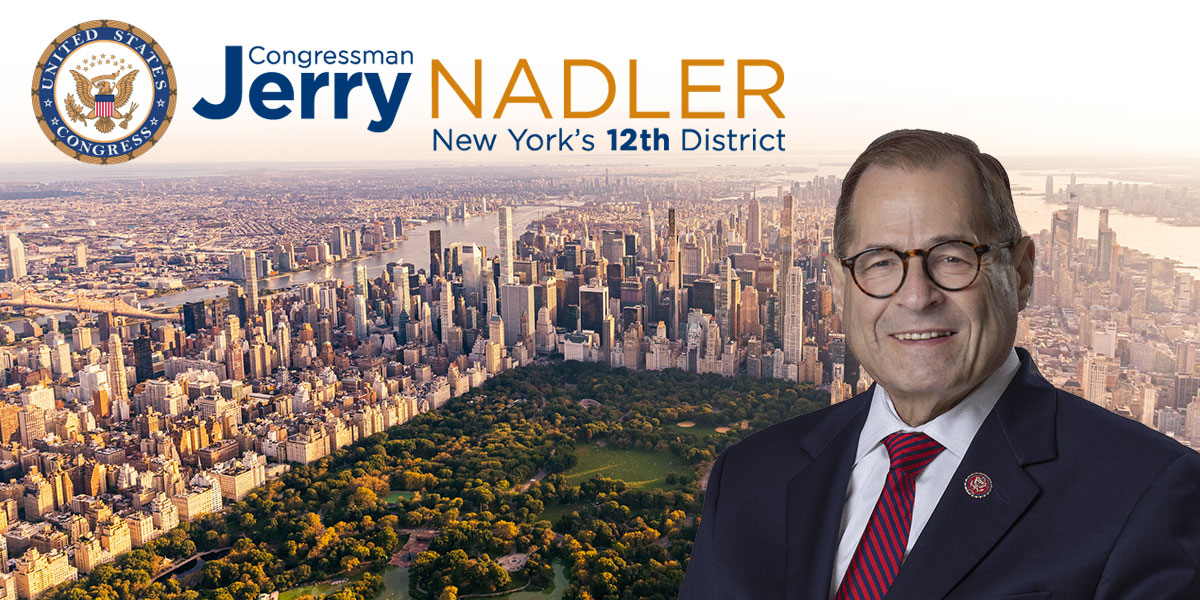
Congressman Jerrold Nadler says Congress must take action to stop Big AI companies from stealing work from creators. He argues that these companies are using "stolen intelligence" to build their systems without paying the people who did the work. This new push from the government aims to protect artists, writers, and other makers from being ripped off by large technology firms.
Why must Congress stop Big AI from ripping off creators?
Many creators are worried that their hard work is being taken without their permission. When big companies train their machines, they often use books, art, and music found on the internet. Congressman Nadler believes this is not fair and that the law needs to change to stop it. He uses the term "stolen intelligence" to show that these machines are not just smart on their own.
The government is looking at how to fix these problems through the regulation of artificial intelligence. If the laws do not change, many artists might stop making new things because they cannot make a living. Nadler says it is the job of Congress to make sure that technology does not destroy the lives of creative people. This is a big debate happening in Washington right now.
How does Big AI affect the work of creators?
Big AI companies need a lot of data to make their programs work well. They get this data by scanning millions of pages and images created by humans over many years. This process often happens behind closed doors without the original creators knowing about it. Creators often find out later that a machine can now copy their specific style or voice perfectly.
- Companies use human work to train their systems for free.
- The machines can then produce work that competes with the original artists.
- Creators lose money when people use AI instead of hiring a real person.
- Current laws may not be strong enough to protect digital property.
What will happen if Congress does not act?
If Congress does not step in, Big AI might continue to take whatever it wants from the web. This could lead to a future where only a few large companies own the tools used to make art and media. Congressman Nadler is pushing for new rules that would force these companies to be honest about where they get their data. Without these rules, the creative industry could face a very dark future.
We are currently seeing a major shift in the history of artificial intelligence as it moves into the creative world. In the past, machines mostly did math or organized files, but now they are entering the world of human emotion and art. This is why leaders like Nadler are so concerned about who owns the rights to these creations. People will be watching closely to see if any new bills are passed this year.
Is artificial intelligence stealing from human artists?
The question of whether this technology is stealing is at the heart of the legal battle. Many tech companies claim they are just "learning" from the work, much like a human student would. However, Nadler and many creators say that a machine is not a student and should not have the same rights. They argue that using a person's life work to build a commercial product is a form of theft.
This issue is not just about money, but also about the value we place on human effort. If a machine can make a painting in five seconds, the value of a painting that took a human five weeks might go down. Congress wants to make sure that humans still have a place in the economy. This fight over "stolen intelligence" will likely be one of the biggest tech stories of the decade.


